What is the City of Willoughby's smart city mobile application?
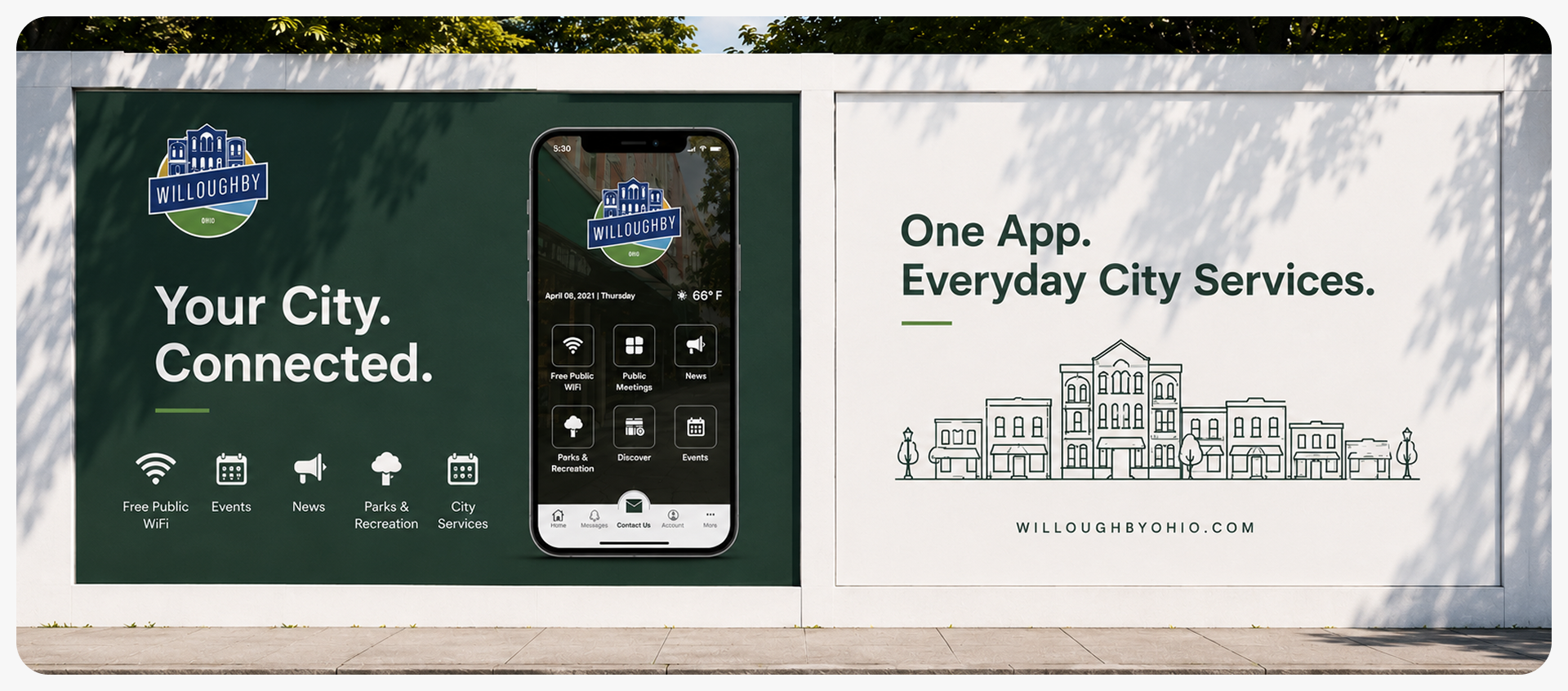
Instead of waiting on hold or digging through government websites, people can just grab their phones and get things done. The app puts city services, real-time updates, and direct communication with city staff right at your fingertips. Spotted any road damage? Report here. Track a service request? Get notified about emergencies? It's all in one place. The app brings Willoughby and its people closer, making the city more connected and responsive to what folks need.
What challenges did the City of Willoughby project solve?
People had to call, email, fill out paper forms, or hunt around different websites whenever they needed something from the city. It was messy. City staff didn't have a clear picture of what was going on, and residents couldn't easily report problems, track requests, or keep up with local news. So, frustration built up on both sides, people felt ignored, and staff couldn't keep up. That's where Notionmind® stepped in. They created an app that brings all those scattered channels together. Now, residents and city teams have one place to connect, track issues, and stay informed. Everything is streamlined, so people can get what they need and City staff can handle issues faster and more efficiently.
How did the mobile app improve citizen engagement?
Before the app came along, getting involved in your city basically meant you had to carve out time and deal with paperwork or phone calls. Once the mobile app showed up, everything flipped. Now, all you had to do was tap a button. Suddenly, people could send in complaints, report stuff going on around them, join virtual community meetings, or catch up on city news all without making a call or going anywhere. This made folks way more active in what's happening in their city, and it really brought everyone closer together. People felt like the city actually cared about what they had to say, and they finally had a chance to stay informed.
What features were included in the smart city platform?
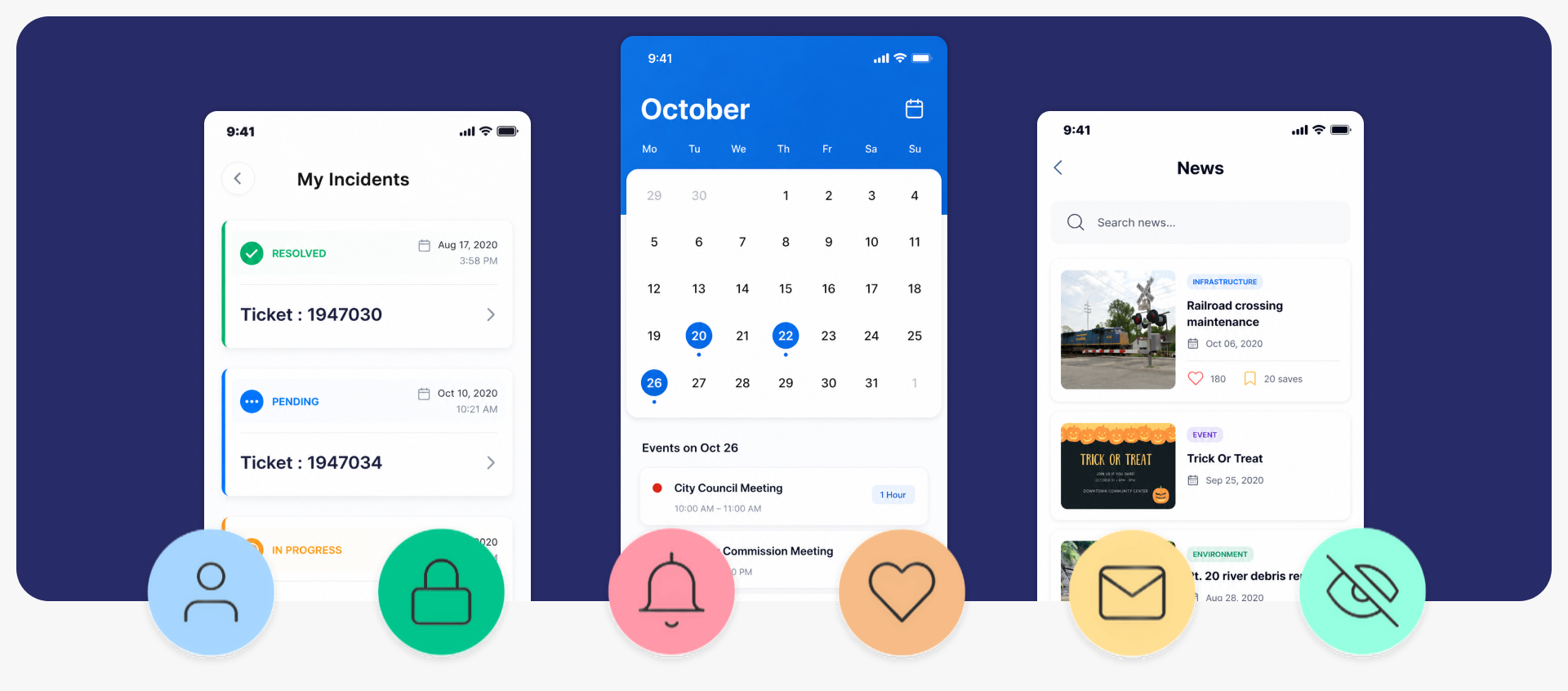
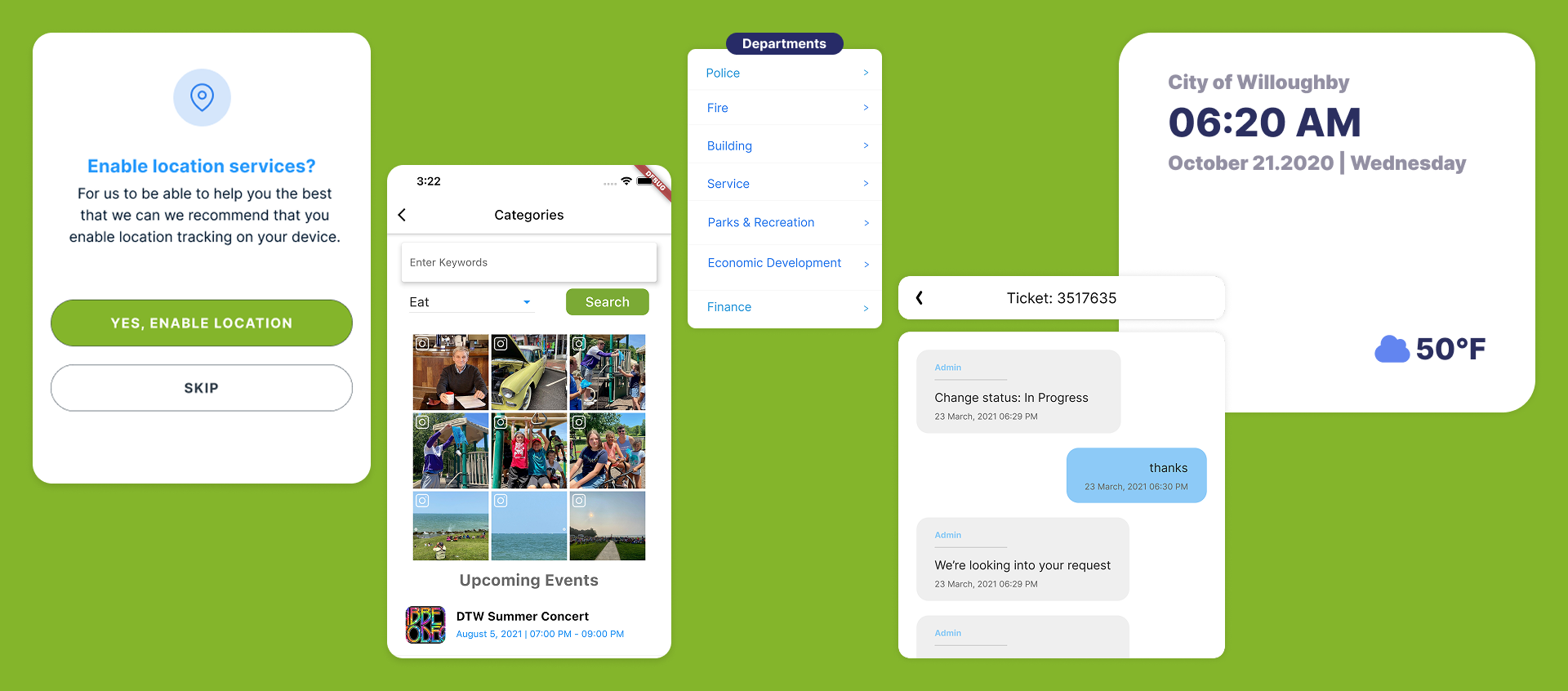
The smart city platform came packed with tools that made everyday life a whole lot smoother. If there was an emergency or a city announcement, people got instant push notifications. There was a spot to see local events and community news, a city services directory, interactive maps so folks could point out exactly where something needed fixing, and even a section for feedback and surveys to keep the conversation going with citizens. On the other side, city staff had an administrative dashboard that put everything front and center, live updates on requests, who was assigned to what, and how things were moving along. So, it didn't just help the public stay connected and informed; it gave city teams the visibility and tools they needed to get things done faster.
How did the system improve incident reporting and communication?
Reporting an incident used to be a headache, lots of steps, lots of waiting. The city sees the report pop up instantly on their dashboard. It gets sorted and sent to the right department, no extra work. While the issue gets handled, the resident gets updates through automated notifications, so they don't have to chase anyone down or wonder if their report matters. This communication built trust and sped up the city's responses, making everything way more transparent for everyone involved.
What technologies were used to develop the mobile application?
We built the mobile app with a cross-platform framework, so both iOS and Android users get the same smooth experience. On the backend, we set up everything in the cloud. It scales up easily, which really matters when there's a sudden surge in activity, like during emergencies or big city events. For instant updates, we added real-time push notifications using the latest messaging tech. Location-aware reporting works thanks to GIS mapping, so people can pinpoint exactly where issues are. And we made the platform with open APIs. That means it plugs right into Willoughby's existing government databases and service tools, without needing to rebuild the whole system from scratch.
What benefits did the city achieve after implementing the platform?
People all over the community noticed the change, and so did city staff. When someone reported an issue, response times dropped because every request got routed and tracked automatically, from start to finish. City employees spent less time picking up calls or digging through emails, which gave them more space to actually get things done. Residents felt more satisfied since they stayed connected and in the loop with their local government. Emergency messages came through faster and more reliably thanks to the mobile app's push notifications. And for city leaders, the smart city platform offered real data on what mattered in each neighborhood, helping them plan resources and invest in infrastructure more wisely than before.
How can smart city apps improve public services for citizens?
Willoughby's approach shows what happens when a city puts people at the heart of its technology. Their mobile app isn't just about moving old forms online; it changes how residents and the government connect. Suddenly, everyday tasks get simpler, there's clear accountability because you can track what's happening, and city departments finally see what's going on so they can actually help people the way they should. If cities want to step up and modernize, it's pretty clear: choosing the right smart city platform means you're investing in your citizens' trust, well-being, and daily lives. And when it's easy for people to interact with their city, they step up. That's what leads to better services, smarter choices, and communities that stick together.