What is the ABAD Asset Management Platform?
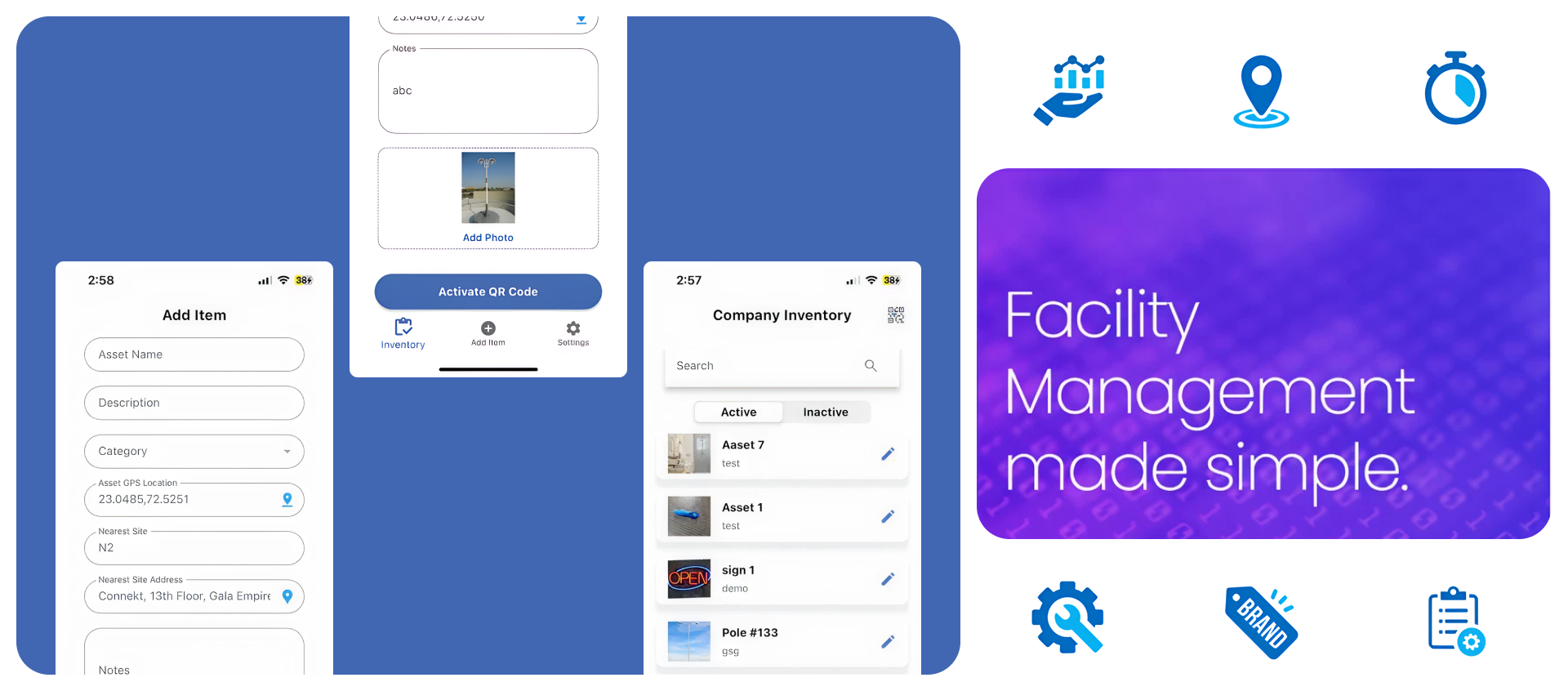
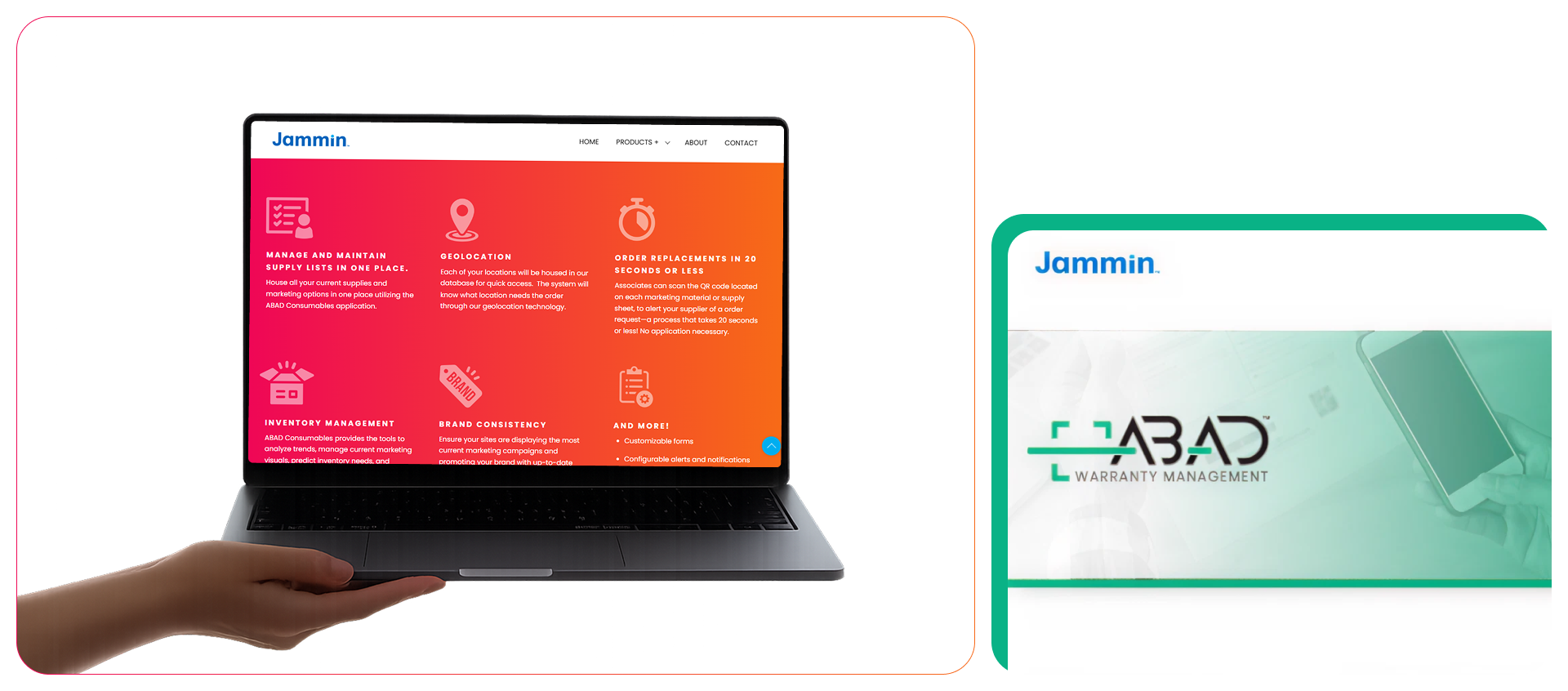
ABAD is a mobile and web-based asset management platform Notionmind built for Jammin Technology, a facility management and asset tracking company operating across multiple locations in the United States. The platform combines QR code asset identification, real-time geolocation tracking, browser-based issue reporting, and a preventative maintenance module into one system, backed by a web dashboard for analytics and document management. Before the platform, Jammin Technology managed assets through disconnected systems with no shared visibility into asset location, condition, or maintenance history across facilities.
What challenges do facility management companies face with asset tracking and maintenance?
Facility teams managing assets across multiple locations often deal with reporting delays, limited visibility into where an asset is or what condition it's in, and maintenance that only happens after something breaks rather than before. Records end up scattered across separate systems, which makes it hard to trace an asset's history or plan servicing ahead of time. Jammin Technology faced exactly this: slow issue reporting, poor asset location visibility, no centralized documentation, and a maintenance approach that was reactive instead of planned. These are patterns Notionmind sees across facility management and asset-heavy operations, and they get more costly as the number of managed locations grows.
How does the platform keep asset data secure and accurate across locations?
Asset and maintenance data run through a cloud-based backend built for secure, scalable, real-time processing, so every location works from the same live data rather than a version that's out of date the moment it's checked. Geolocation tracking captures both current and historical asset positions, which gives facility teams an accurate record instead of relying on memory or paper logs. The web dashboard's user administration controls determine who can view or edit records, keeping access tied to role rather than open to everyone. That combination is what improved tracking accuracy by 50% for Jammin Technology after the platform launched.
What technology stack powers the ABAD platform?
The mobile app runs cross-platform with GPS location services and offline access, so field staff can log issues and check asset status even without a live connection. A web dashboard handles analytics, document management, and user administration for office and management staff. Both run on a cloud-based backend built for secure, scalable, real-time processing, with API integrations connecting the platform to other tools Jammin Technology uses. The stack was chosen specifically to support two different working environments at once: staff moving between facilities with a mobile app, and administrators working from a desktop dashboard.
How does the platform let facility staff report issues without installing an app?
The Rapid Reporting System lets staff scan a QR code attached to an asset and submit an issue report directly through a browser, with no app download or account setup required. Reporting takes about 20 seconds from scan to submission, which matters for facility staff who need to log an issue and move on to the next task rather than navigate a separate application. This is part of why report submission time dropped 75% after the platform launched: removing the app requirement removed the biggest point of friction between spotting a problem and getting it logged.
What results did Jammin Technology achieve after implementing ABAD?
Report submission time dropped 75%, issue resolution got 40% faster, maintenance costs fell 30%, and tracking accuracy improved 50%. Those gains came from replacing manual, disconnected processes with a system where QR codes identify assets instantly, geolocation tracks their position and history, and the preventative maintenance module schedules servicing before problems escalate into emergency repairs. Beyond the direct metrics, Jammin Technology saw better resource utilization, reduced downtime, and improved workforce productivity, since staff spent less time tracking down asset information and more time acting on it.
Should a facility management company build custom asset tracking software or use an off-the-shelf platform?
Off-the-shelf asset management software works well for operations whose asset types, locations, and maintenance workflows match a vendor's standard setup. It becomes a harder fit once a company needs a specific reporting flow like browser-based QR scanning with no app requirement, or integrations tailored to how a specific facility management business already operates, which was the case for Jammin Technology. A custom platform costs more to build initially but gives the company full ownership of the system and the flexibility to add features as operations change, rather than working within a vendor's existing feature set. Notionmind will say directly during discovery if an off-the-shelf platform is the better fit for a smaller or more standard operation.
How does Notionmind approach building an asset management platform like this?
Notionmind starts by mapping the full asset lifecycle a company manages: how assets get logged, tracked, maintained, and retired, and where the current process breaks down. For Jammin Technology, that meant designing a QR code and geolocation system for real-time tracking, a browser-based reporting flow that removed the need for an app, and a preventative maintenance module to replace reactive repairs. Development and rollout followed from that mapping, with the mobile app and web dashboard built to support two different working environments, field staff and facility administrators, rather than one generic interface for both. The next step for a similar-sized facility operation is a scoped assessment call.